
Am I Overpaying for a Diamond? Why It Happens (and What to Check Before You Buy)
It’s a question most people don’t ask out loud. But, it’s there.
And the uncomfortable part is… most people don’t actually know how to tell.
You’re about to spend thousands of dollars (sometimes tens of thousands) on a diamond…
and you’re not entirely sure if it’s actually worth it.
The specs look good.
The jeweller seems confident.
Everything should make sense.
But something still feels uncertain.
I see this almost daily when reviewing diamonds for clients.
And the reality is:
Overpaying for a diamond doesn’t always look obvious.
In fact, it often looks like you did everything “right.”
And the reason is simple:
Most people are trying to evaluate diamonds using information that doesn’t actually reflect how they look.
Why It’s So Easy to Overpay for a Diamond
Most people assume price reflects quality.
With diamonds, that assumption is one of the main reasons people overpay.
Two diamonds can:
have nearly identical specifications
look completely different in real life
and be priced thousands of dollars apart
Because specs don’t tell you how a diamond actually looks.
And that’s where most people go wrong.
Pricing isn’t just about quality. It’s influenced by:
how the diamond is positioned
where you’re buying it
and what you’ve been told to prioritize
If you don’t know what actually affects a diamond’s visual performance, it’s very easy to spend more…
Without getting a better looking diamond.
Because specs don’t tell you how a diamond actually looks.
This is often where the process starts to feel overwhelming. Especially when you’re trying to make the “right” decision without a clear way to evaluate your options.
Can two diamonds with the same specs look different?
Yes, and often dramatically. Diamond grading reports don’t fully capture how a diamond handles light, which is what determines how bright or dull it appears in real life. Two diamonds can look completely different, even if their specs are nearly identical.
What “Overpaying” Actually Means
Overpaying doesn’t mean spending a lot.
It means paying for things that don’t actually change how the diamond looks.
That might be:
Higher clarity you can’t see
Colour differences that aren’t noticeable once set in a ring
A “safe” option that sounds better on paper, but doesn’t look better in person
In other words:
You’re paying for “better” on paper. Not better in real life.
What to Check Before You Buy
If you can’t clearly evaluate how a diamond looks, it becomes very easy to justify a higher price without realizing what you’re actually getting.
If you’re trying to avoid overpaying for a diamond, these are the first things to look at.
1. How the Diamond Actually Performs (Not Just the Specs)
This is where most pricing mistakes happen.
A diamond’s value comes from how it handles light:
Brightness
Sparkle
Contrast
Not just what’s written on a grading report.
And this is where the biggest pricing mistakes happen.
It’s entirely possible to pay a premium for a diamond with “excellent” specs… that still looks flat or dark.
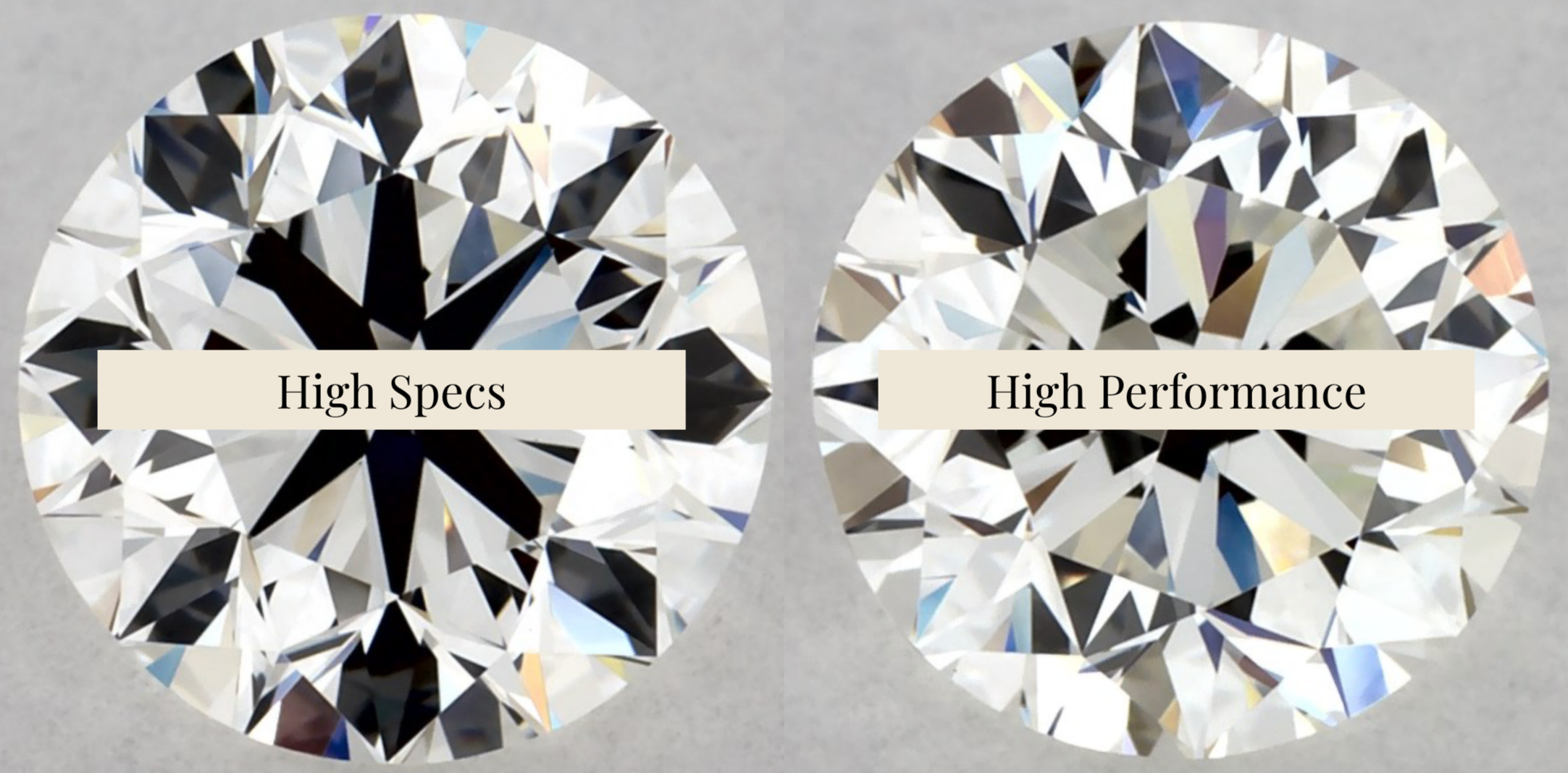
This is closely related to why some diamonds look off even when everything seems right on paper:
Why “Good” Diamonds Still Look Bad (And What to Check First)
Can a diamond have “excellent” specs but still look dull?
Yes. A diamond can receive high grades on paper and still appear flat or dark if it doesn’t handle light well. Light performance isn’t fully reflected in standard grading, which is why visual evaluation matters just as much as the specs.
2. Whether You’re Paying for Specs You Don’t Need
Some upgrades sound important, but don’t create a visible difference.
Some common examples:
Moving from a VS1 to VVS2 clarity in a round brilliant diamond
Paying for top colour grades in shapes where it’s less noticeable
Prioritizing “perfect” specs over balanced performance
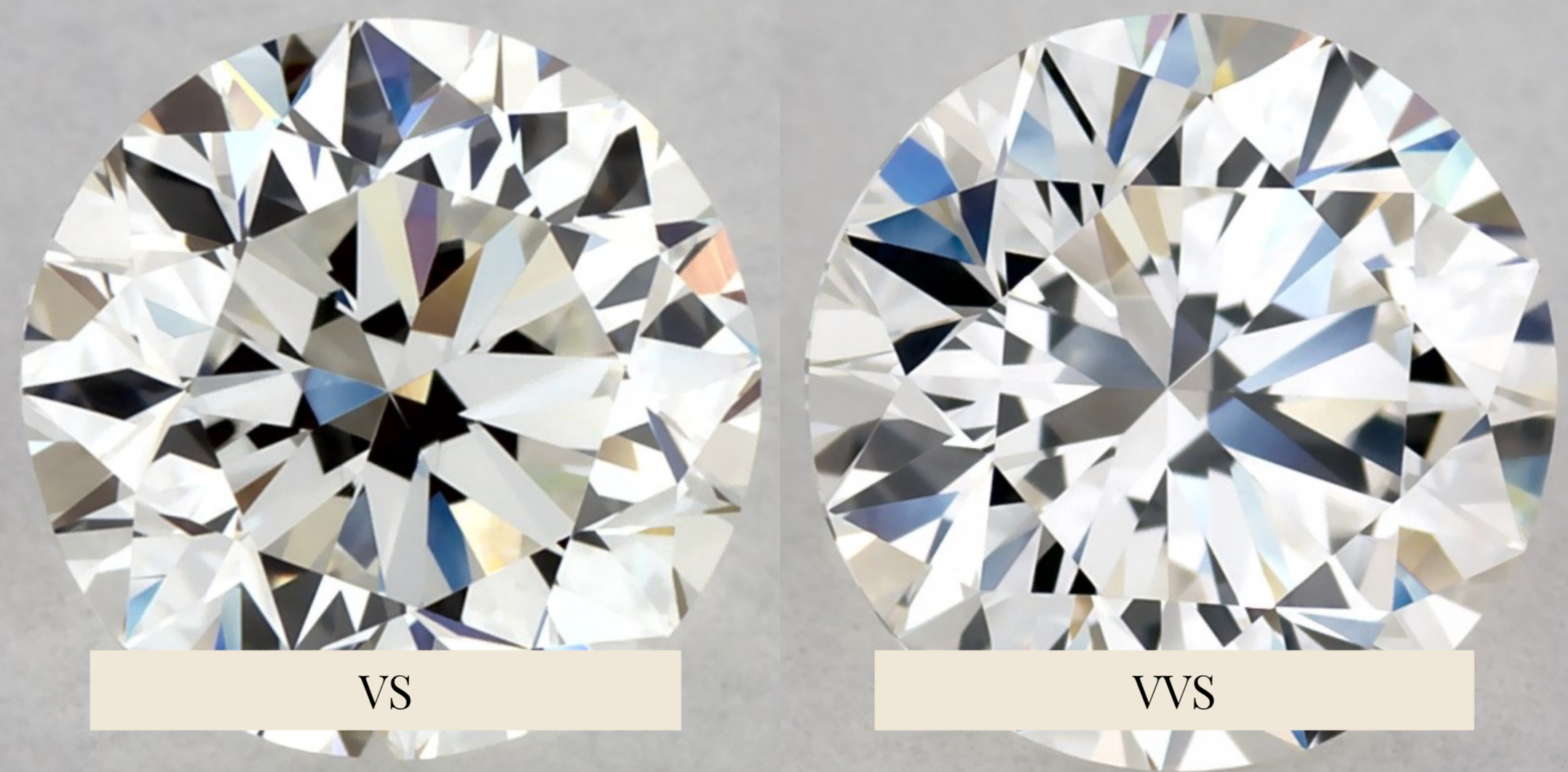
Not all upgrades are visible.
These are some of the most common ways people overpay, without realizing it.
Especially if you’re trying to “get it right.”
3. Cut Quality Within the Same Grade
Not all “Excellent” cut diamonds are equal.
Cut grades are broad, and that range hides a lot of variation.
Some diamonds return light beautifully
Others lose it
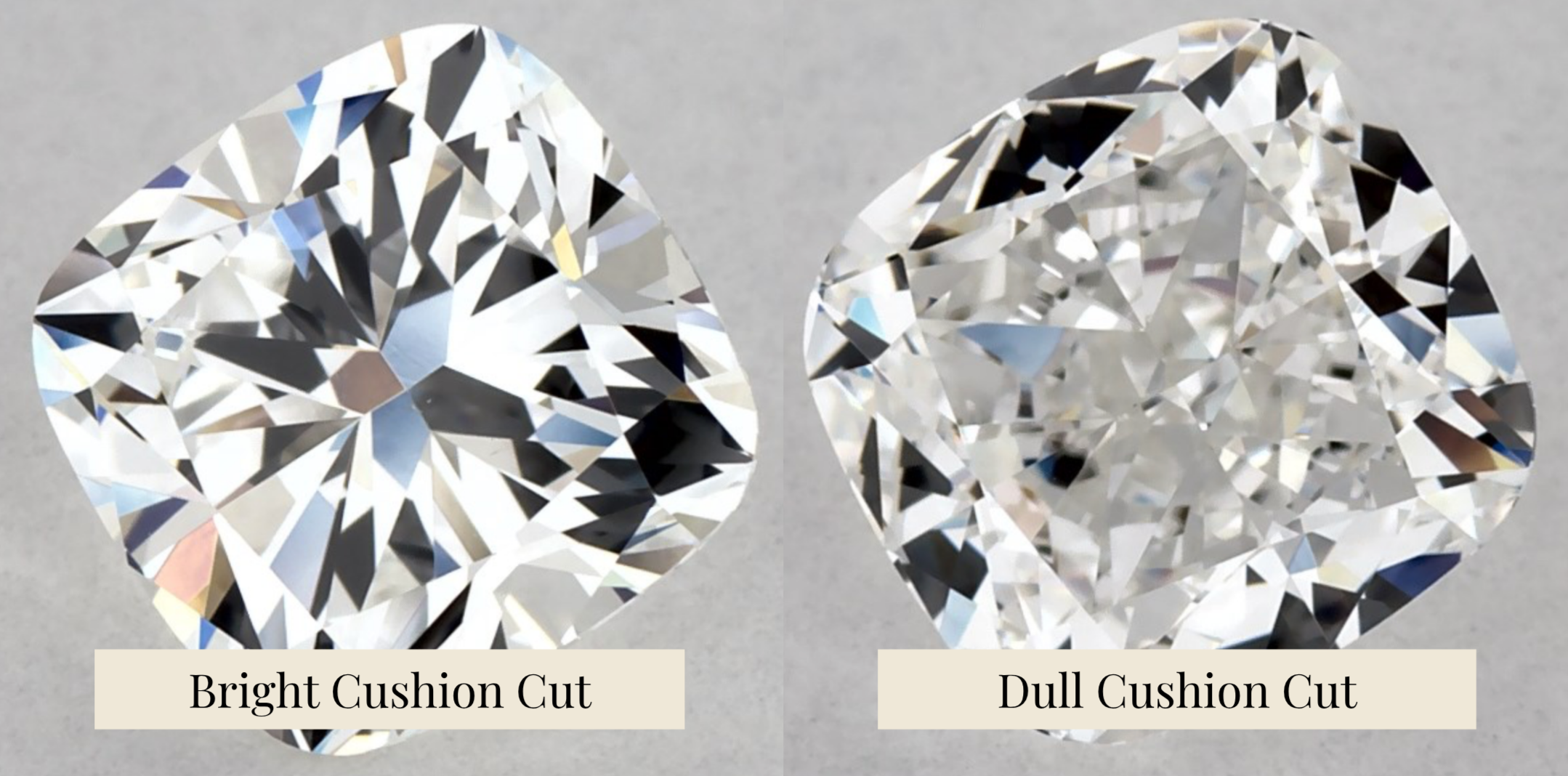
What you see matters more than what’s on paper.
Two diamonds with the same cut grade can look completely different, and be priced very differently as a result.
If you’re choosing based on the label alone, you’re not seeing the full picture.
4. Where (and How) You’re Buying
Pricing can vary significantly depending on:
The retailer
Branding and positioning
How the diamond is presented to you
This is why the same type of diamond can be priced very differently depending on where you see it.
You’re not just paying for the diamond.
You’re paying for how it’s being sold and how it’s being positioned to you.
5. Whether the Diamond Actually Stands Out (or Just Sounds Good)
Some diamonds look impressive on paper, but don’t stand out in person.
Others may have slightly lower specs, but look noticeably better.
If you’re not comparing visually (ideally through video or side-by-side), it’s very difficult to tell the difference.
And this is where people often overpay:
Choosing what sounds better on paper instead of what actually looks better in real life.
And once you see the difference side-by-side, it’s usually obvious.
The Part Most People Don’t Realize Until After
Most people don’t realize they’ve overpaid in the moment.
Because nothing looked obviously wrong at the time.
They realize it later… when:
They compare it to something else
They notice it doesn’t perform the way they expected
Or they start questioning their decision after the fact
They didn’t make a careless choice.
But they didn’t have the right information to evaluate it properly.
That’s usually the moment they realize the price didn’t reflect what they actually got.
When do people usually realize they’ve overpaid for a diamond?
Usually after the purchase. When they compare it to something else or notice it doesn’t perform the way they expected. At that point, they realize the price didn’t reflect how the diamond actually looks.
A Different Way to Approach It
If you’re unsure, the goal isn’t to become an expert overnight.
Most people only ask this question after they’ve already bought the diamond.
The goal is to:
Understand what actually impacts how a diamond looks
Filter out what doesn’t
And make a decision with clarity, not pressure
That’s where having a second set of eyes can make a huge difference.
The goal isn’t to memorize diamond specs.
It’s to understand what actually affects how a diamond looks.
Not Sure If You’re About to Overpay?
This is exactly where most people feel uncertain. Because everything looks correct on paper, but they don’t have a clear way to evaluate it.
If you’re looking at a diamond and want a clear, unbiased perspective, I offer a diamond review.
I review diamonds like this every day.
I’ll go through it and point out:
How it actually performs
Whether the specs make sense
And anything that stands out (good or bad)
So you can move forward knowing exactly what you’re paying for.
Want to know exactly what to check before you commit?
Grab the free guide: 5 things to ask before you buy, so you’re not the one finding out what you missed after the money’s already been spent.
About the Author
Robyn Bell-Wong is a Calgary-based Independent Jewellery Advisor and Consultant specializing in engagement rings, diamonds, and meaningful fine jewellery purchases.
With over 20 years of experience in service, 5 years at the top of a fine jewellery house, 300+ clients guided, and a GIA Applied Jewelry Professional designation, she provides private, buyer-side guidance to clients making high value jewellery decisions across Canada and the U.S.
Unlike traditional jewellery retail environments, Robyn does not sell jewellery or work on commission. Her role is to act solely in her client’s best interest. Offering clear, objective guidance on quality, value, and design so clients can make confident, well-informed decisions.
Through Refined by Robyn, she supports clients with engagement ring guidance, independent ring reviews, and private jewellery consulting for meaningful purchases.
Her work focuses on helping clients avoid costly mistakes, navigate overwhelming options, and choose jewellery that truly reflects their intention, style, and budget.
Request a private consultation
Follow on Instagram @refined.by.robyn