
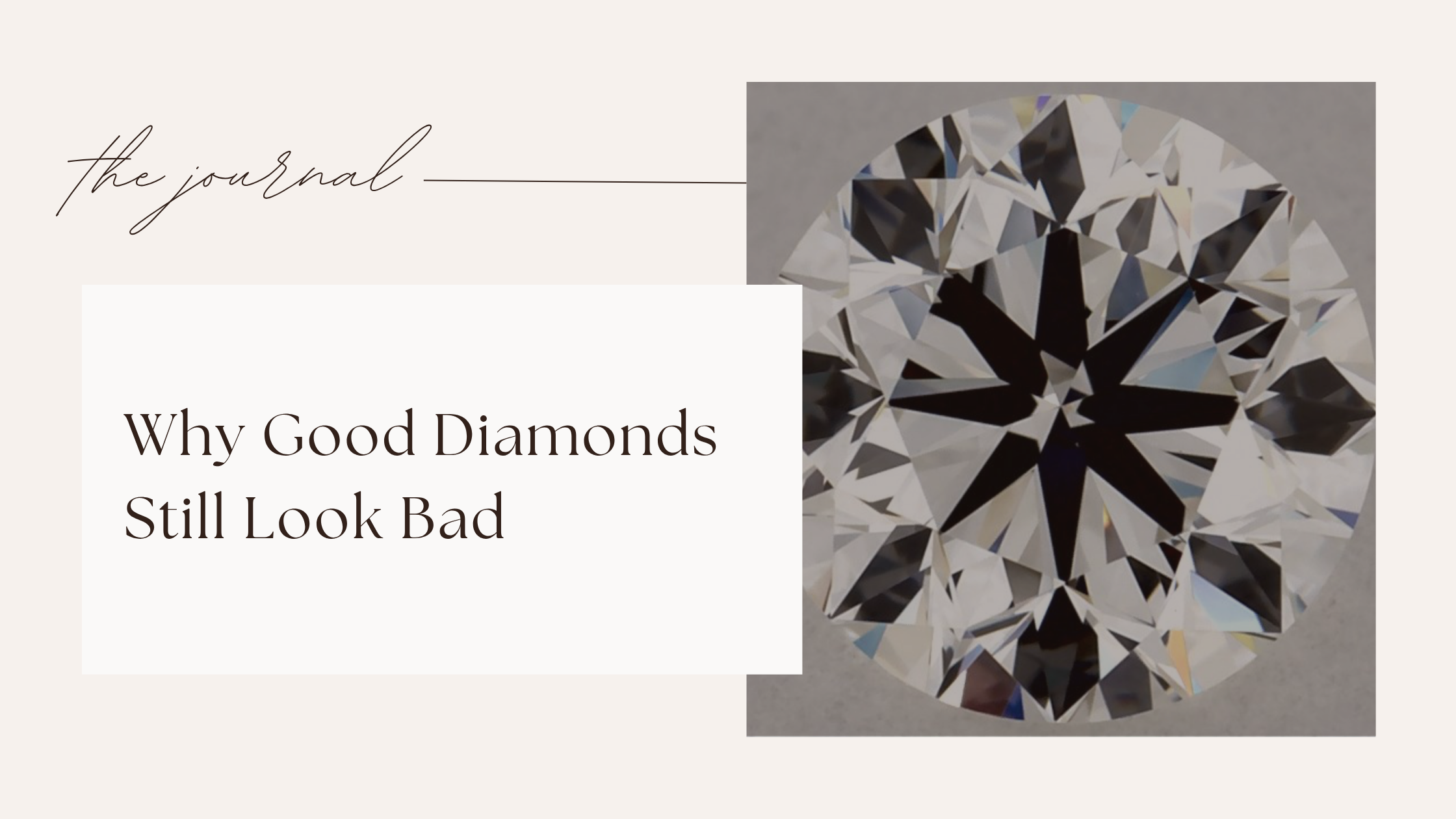
On paper, it looks perfect.
Excellent cut. High clarity. Great colour.
But when you actually look at it… something feels off.
This is one of the most common (and frustrating) situations I see reviewing diamonds for clients.
Because what most people don’t realize is this:
A diamond can look “perfect” on paper, and still look bad in real life.
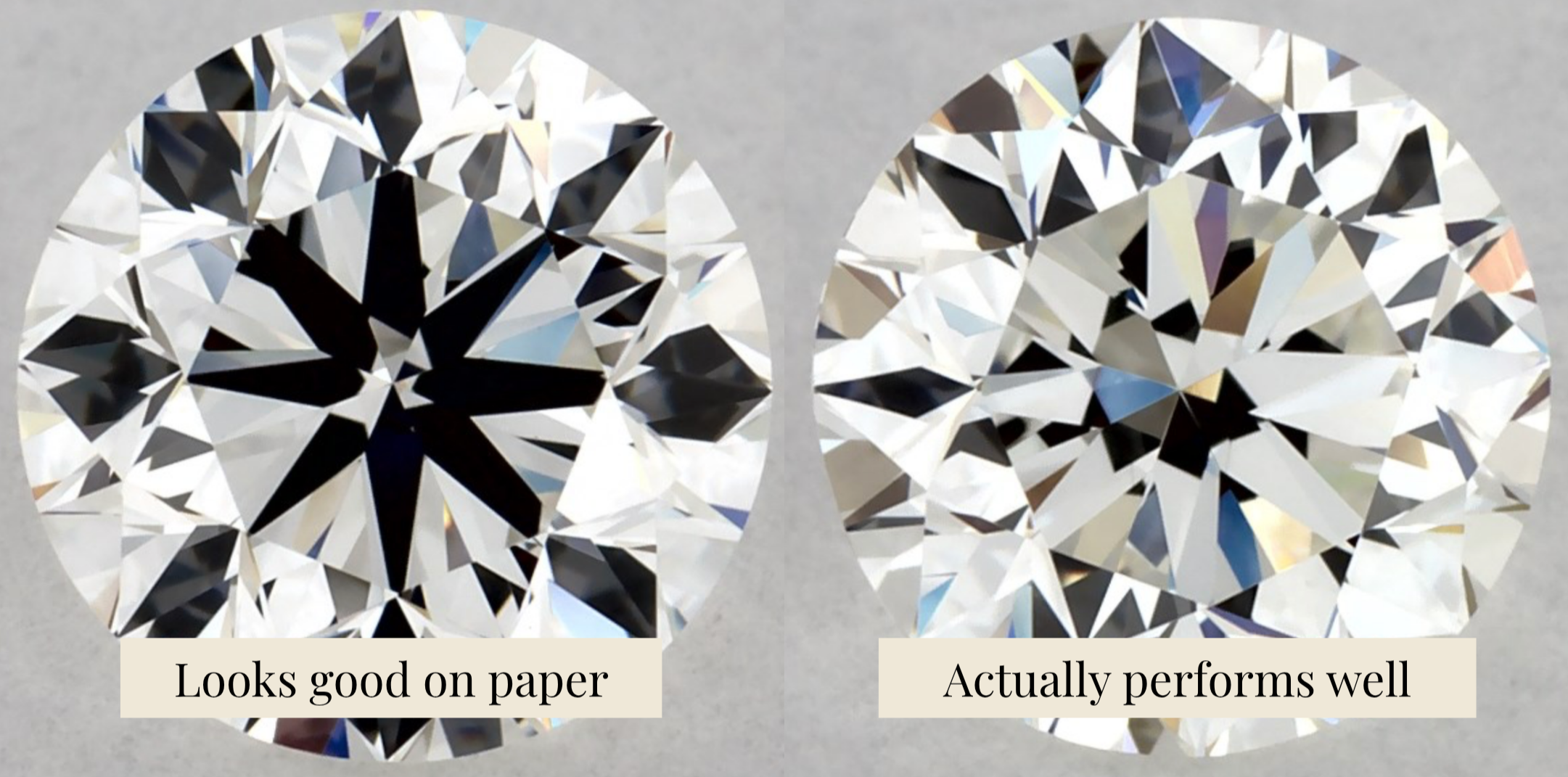
Similar specs. Very different performance.
The Problem Most People Don’t See
Most people rely on the 4Cs to make a decision.
And while they matter… they don’t tell you how a diamond actually looks.
Grading reports measure categories, not beauty.
Two diamonds with identical specs can look completely different in person. And that gap, between what’s on paper and how a diamond actually performs, is where people make expensive mistakes.
3 Reasons “Good” Diamonds Still Look Bad
1. “Excellent Cut” Doesn’t Guarantee Sparkle
“Triple Excellent” sounds like the safest option.
It isn’t.
Cut grades are ranges, not precise standards. And within that range, there’s a significant difference in how diamonds handle light.
Some “Excellent” diamonds:
Leak light
Appear darker than expected
Lack contrast and life
I’ve seen round brilliant diamonds graded D VVS2 Triple Excellent that looked dark and lifeless. Simply because the light performance wasn’t there.
The certificate said everything was right. The diamond said otherwise.
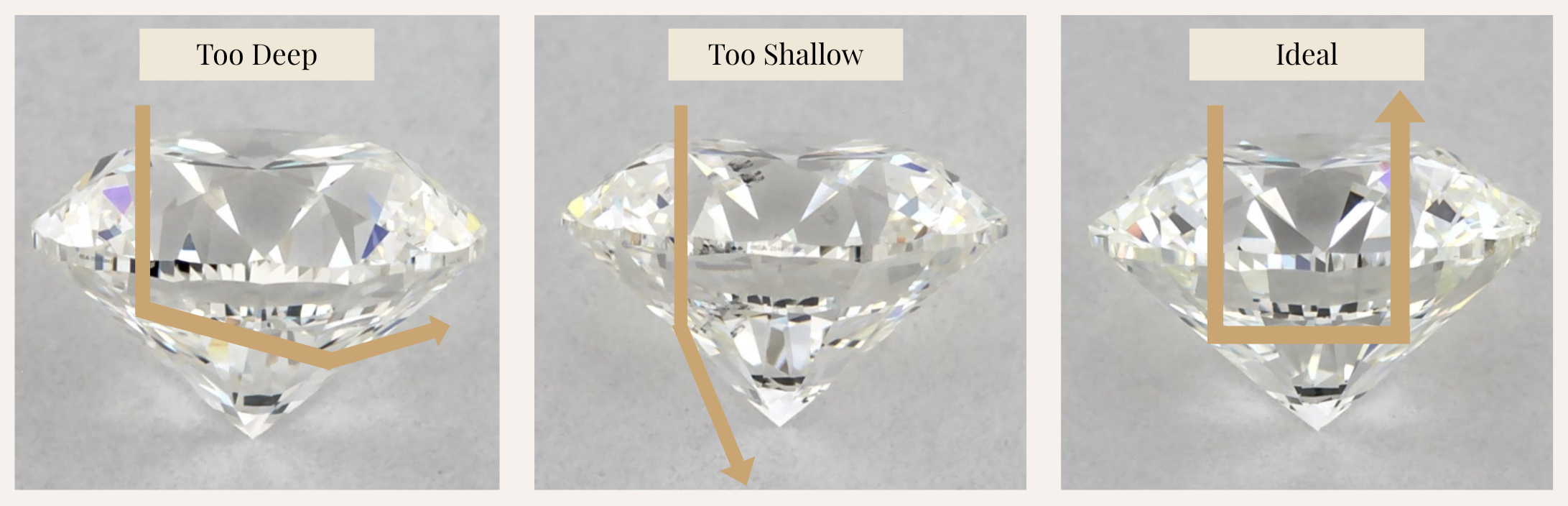
Light performance is what creates sparkle. Not just the cut grade.
2. Clarity Grades Don’t Tell You What You’ll See
“VS2” or even “VVS” doesn’t automatically mean clean to the eye.
Clarity grading looks at inclusions under magnification. Not how noticeable they are in real life.
What actually matters:
Inclusion type
Size
Location
Contrast
I’ve come across pear-shaped diamonds with indented naturals that affected both how the diamond looked, and its durability…
It’s not something most people would ever catch from a certificate alone. But once you see it, you can’t unsee it.
3. Every Shape Has Its Own Visual Risks
Different diamond shapes come with different issues. And most people don’t know what to look for.
A few common ones:
Oval → Bow tie effect (dark center)
Emerald → Windowing or lack of contrast
Cushion → “Mushy” or blurry facets
Radiant → Overly crushed, glassy appearance
Ovals are one of the most popular shapes, and also one of the easiest to get wrong.
A heavy bow tie can make the center look dark, even if everything else checks out on paper.
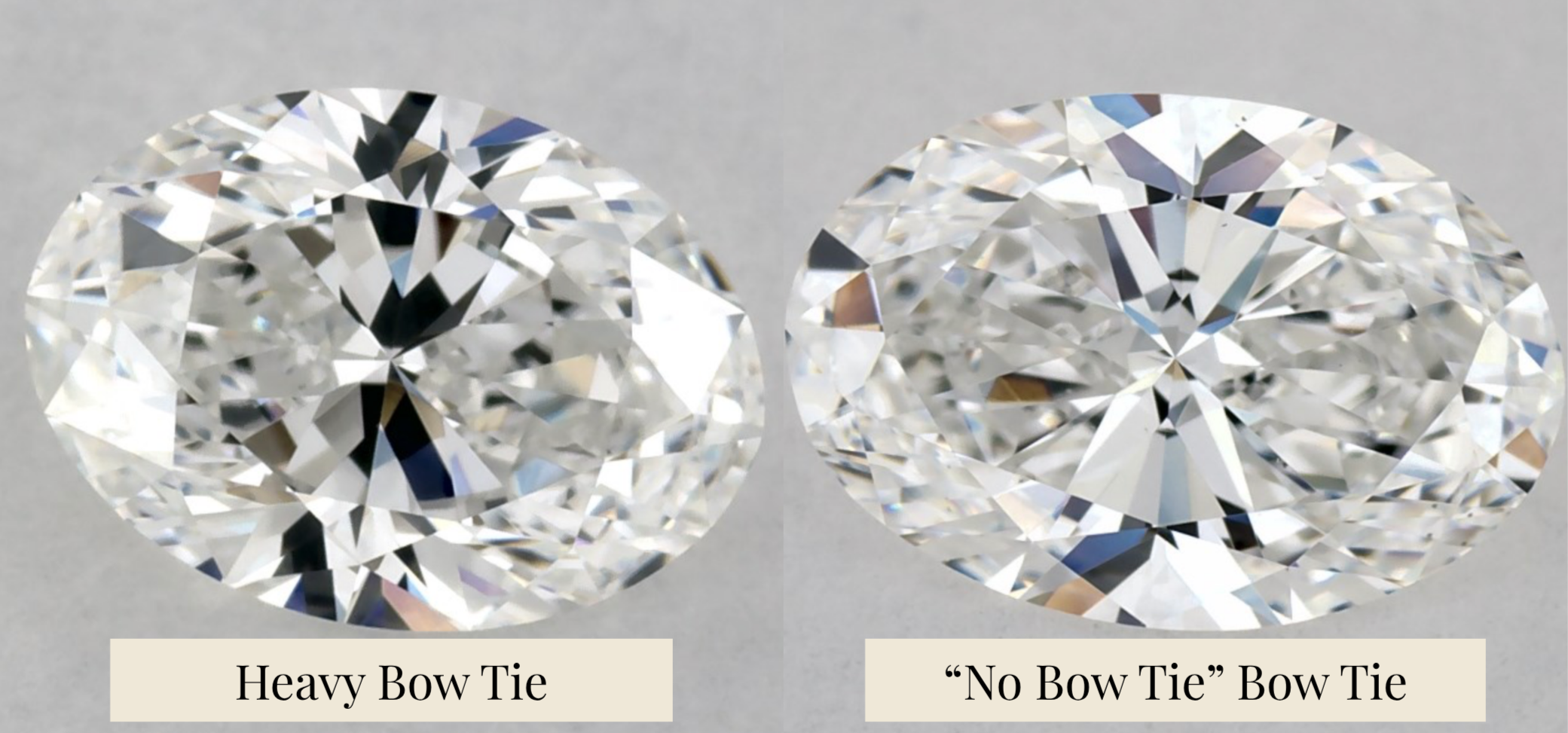
A strong bow tie can make the center appear dark.
If you’re considering an emerald cut, I break this down in more detail here: 3 Things That Actually Matter in an Emerald Cut Diamond (And What Most People Miss)
What to Check First (Before You Buy)
If you’re trying to avoid this situation, here’s where to start.
1. Always Look at Video (Not Just Specs)
Certificates don’t show sparkle. Videos do.
Diamond movement reveals:
How light returns
Where the dark areas are
Whether there’s a bow tie or dull zones
If you’re only looking at a report or a static image, you’re missing the most important part.
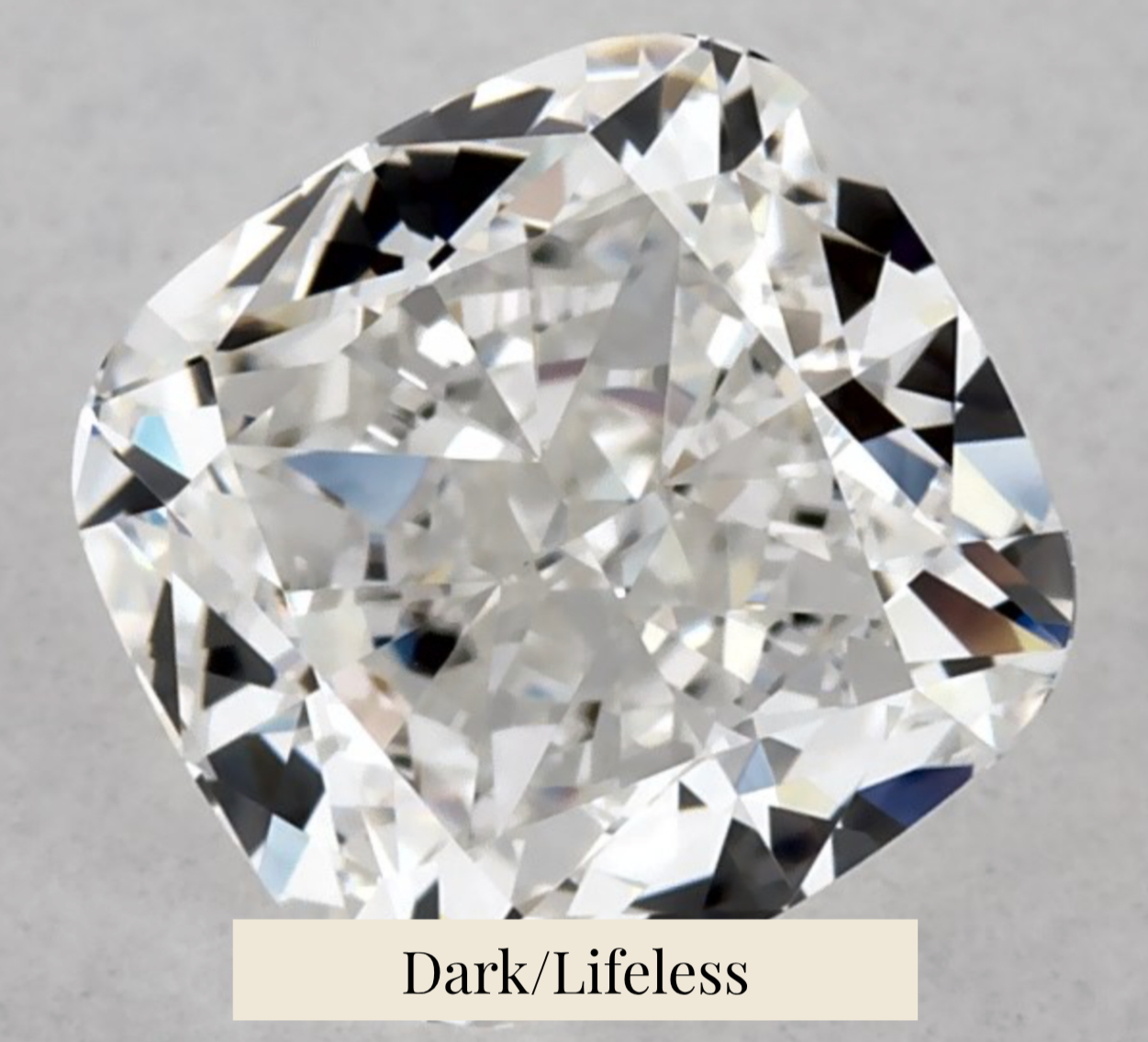
Even high grade diamonds can appear dull without proper light performance.
2. Pay Attention to Light Performance
This is what actually makes a diamond look alive.
You’re looking for:
Brightness (white light return)
Fire (coloured flashes)
Contrast (pattern and depth)
Without these working together, even a “high quality” diamond can look flat.
3. Look at Where the Inclusions Are
Not all inclusions are created equal.
A diamond can have a higher clarity grade, but still have a visible inclusion if it’s:
Under the table
Dark in contrast
Centrally located
Inclusions near the edges are often much less noticeable.
Often, the placement matters more than the label.
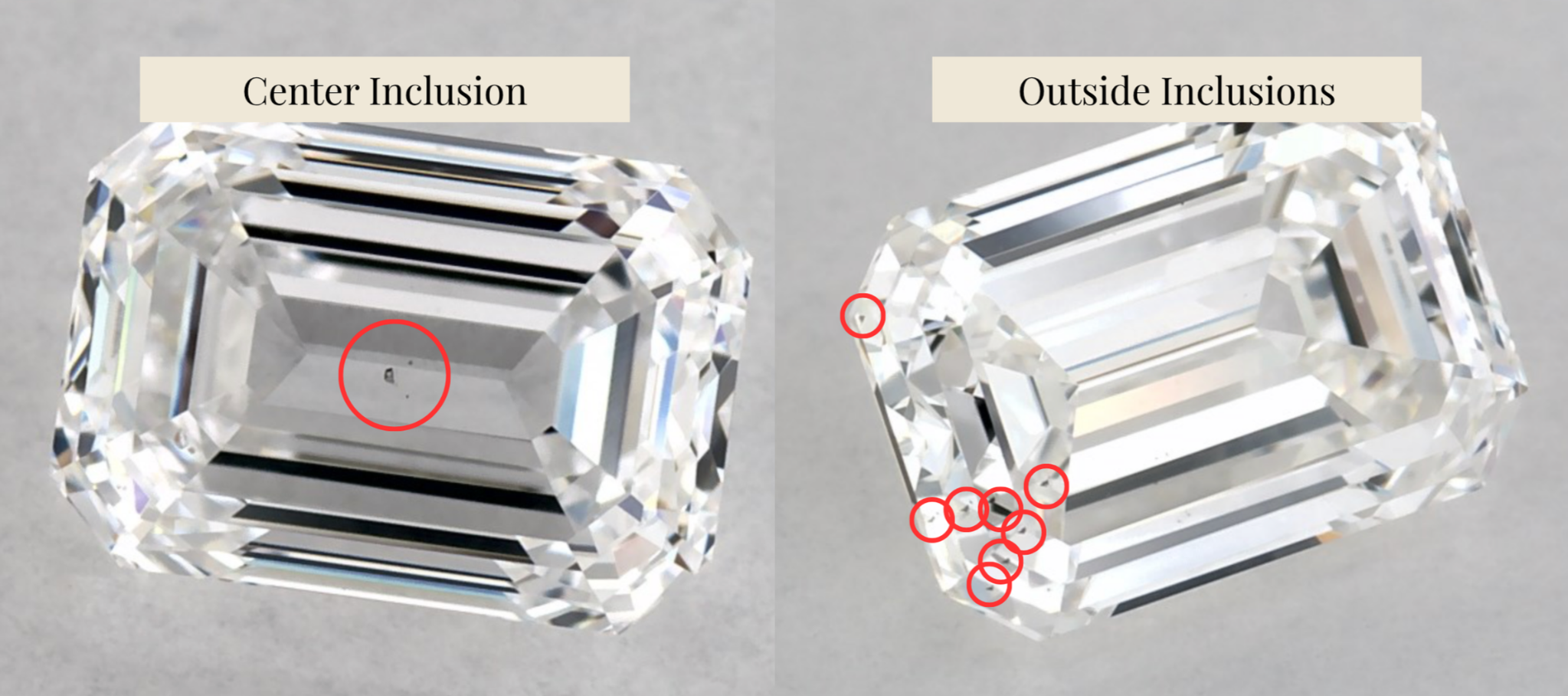
Inclusion placement can matter more than the clarity grade.
4. Know the Red Flags for Your Diamond Shape
Each shape has predictable issues.
A quick example:
Oval → Watch for bow ties
Pear → Check the tip and symmetry
Emerald → Look for transparency and contrast
If you don’t know what to look for, it’s easy to miss.
The Reality Most People Don’t Expect
Most people don’t realize they’re looking at the wrong things.
They trust the grading report.
They assume higher specs mean a better diamond.
And by the time something feels off… they don’t know why.
This is exactly how people end up overpaying for diamonds that don’t actually look good.
Where Independent Guidance Comes In
This is why some people choose to get independent guidance before they buy.
Not because they can’t buy a diamond, but because they want to make sure it’s actually a good one.
Not Sure About a Diamond?
Most people only realize something is off after they’ve already bought the diamond.
If you’re looking at a diamond and something doesn’t feel quite right, you’re probably picking up on something real.
I offer a quick diamond review where I go through it and point out anything that stands out (good or bad) before you commit.
Want to know what the grading report won’t tell you?
Grab the free guide: 5 things to ask before you buy, so a strong certificate doesn’t talk you into a diamond that looks flat in person.
About the Author
Robyn Bell-Wong is a Calgary-based Independent Jewellery Advisor and Consultant specializing in engagement rings, diamonds, and meaningful fine jewellery purchases.
With over 20 years of experience in service, 5 years at the top of a fine jewellery house, 300+ clients guided, and a GIA Applied Jewelry Professional designation, she provides private, buyer-side guidance to clients making high value jewellery decisions across Canada and the U.S.
Unlike traditional jewellery retail environments, Robyn does not sell jewellery or work on commission. Her role is to act solely in her client’s best interest. Offering clear, objective guidance on quality, value, and design so clients can make confident, well-informed decisions.
Through Refined by Robyn, she supports clients with engagement ring guidance, independent ring reviews, and private jewellery consulting for meaningful purchases.
Her work focuses on helping clients avoid costly mistakes, navigate overwhelming options, and choose jewellery that truly reflects their intention, style, and budget.
Request a private consultation
Follow on Instagram @refined.by.robyn